








RAILWAY
Industries
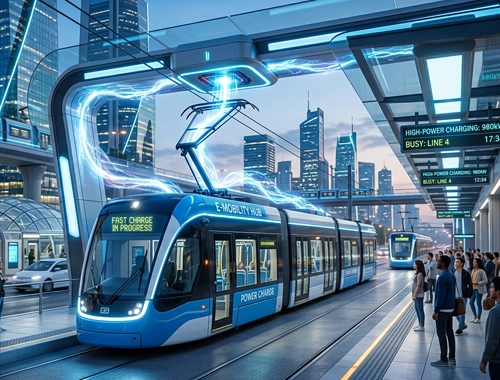
Reliable Energy for Rail Applications
Fast-charging, scalable batteries built for high-voltage environments.
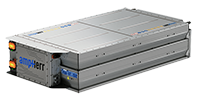
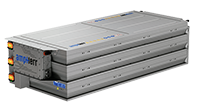
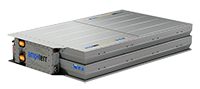
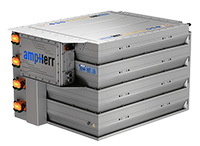
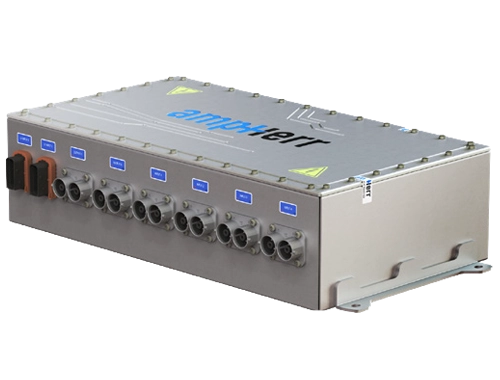
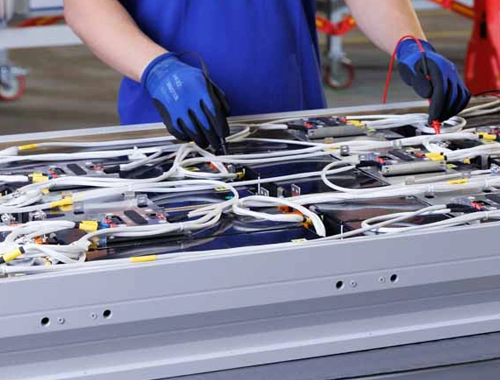
AMPHERR batteries are also designed and produced for railway applications. Modular and scalable design provide customizable battery pack dimensions which can easily be configurable according to customers requests. These batteries are also designed in order to be resistant to electrical and isolation faults that may occur under high voltage. AMPHERR batteries which are produced for railway applications, are suitable for mass production.
- Customizable and scalable
Fast charge, high power and safe - CANBus 2.0A-B communication protocol
- Efficient liquid cooling system
- Integrated battery management system
- Compatible design according to ECE R100.3, ECE R10, UN38.3, DNV-GL, ISO 26262 and IATF 16949

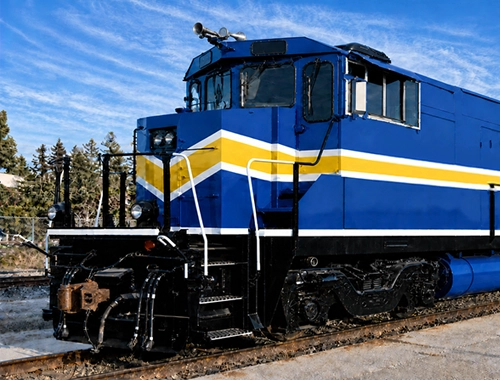
Suggested Battery Packs
NMC-700-112 (112kWh, 646V) →
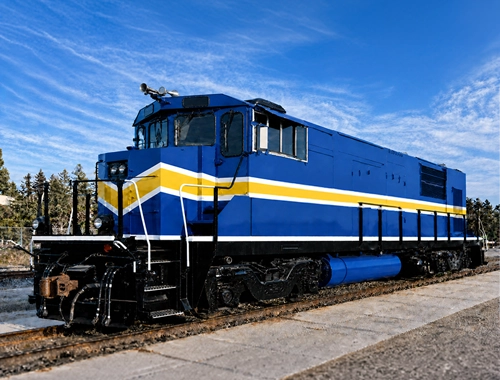
Case Study – Rail Electrification
Customer: Locomotive Manufacturer, US
Rail Industry Electrification and Decarbonization
With more than two decades of experience in developing hybrid and low-emission locomotive technologies, this North American rail technology company has played a significant role in advancing cleaner and more efficient rail transportation. Its innovative locomotive platforms have helped rail operators reduce fuel consumption, lower emissions, and improve operational sustainability.
Today, the company is focused on the next generation of rail decarbonization through the development of zero-emission hydrogen locomotives and advanced propulsion technologies. By combining proven rail expertise with innovative energy solutions, it is helping shape the future of sustainable rail transportation.
As a technology partner, AMPHERR supports this vision with high-performance battery systems engineered for demanding rail applications. Together, the two companies are contributing to the development of reliable, efficient, and sustainable energy solutions that accelerate the transition toward zero-emission rail operations.