









BUSES
Industries
Powering the Next Generation of Electric Buses
OEM-ready battery packs with flexible energy capacities.
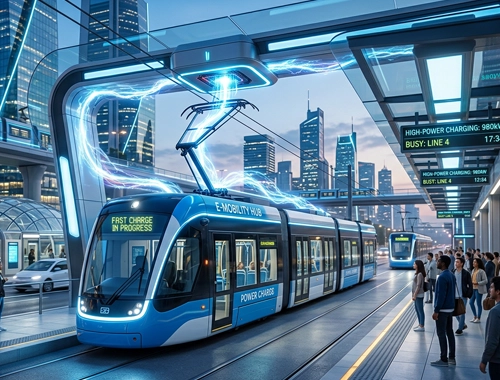
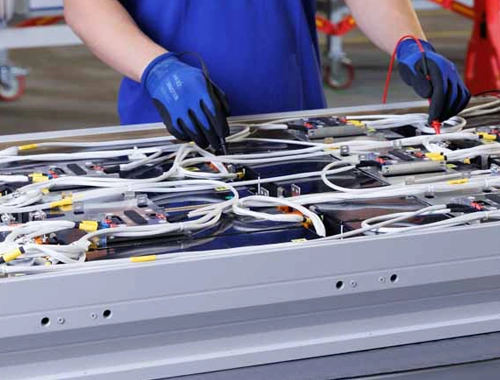
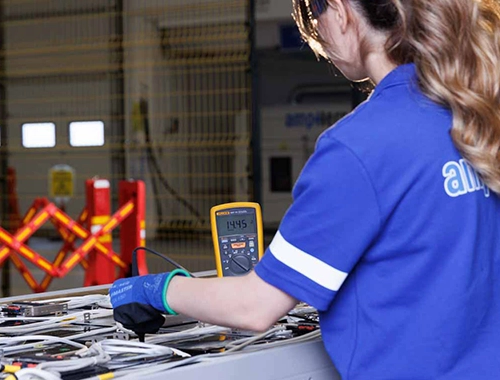
Batteries produced by AMPHERR have low cost, maintenance free, emission free, fast charge and safe solution for buses. These batteries have different cell chemistry and different energy capacities according to customers requirements. Thanks to its modular and scalable design, AMPHERR can deliver reliable, high energy, high power and highly efficient liquid cooled energy solutions. AMPHERR batteries are produced especially for automotive OEMs to fulfill mass production needs.
- Reliable and sustainable
- Zero emission and energy management
- CANBus 2.0A-B communication protocol
- Efficient liquid cooling system
- Integrated battery management system
- Compatible design according to ECE R100.3, ECE R10, UN38.3, ISO 26262, IATF 16949 and Lloyd Certification



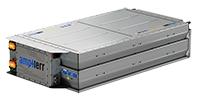
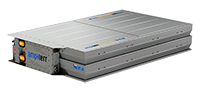
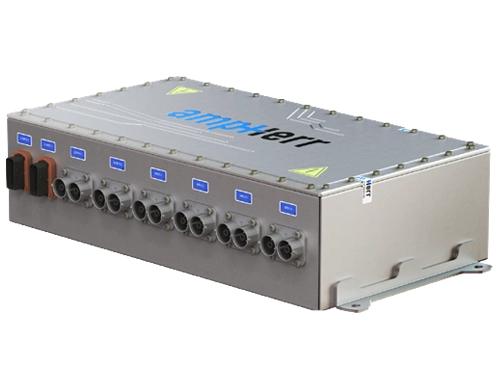
Suggested Battery Packs
Case Study – Electric City Buses
Customer: Leading European Bus Manufacturer
Powering the Next Generation of Electric City Buses with AMPHERR
As cities continue to invest in cleaner public transportation, a leading bus manufacturer selected AMPHERR Battery Packs to support the development of its next-generation electric city bus platform. Designed for urban mobility, the low-floor bus combines passenger comfort, operational efficiency, and zero-emission transportation.
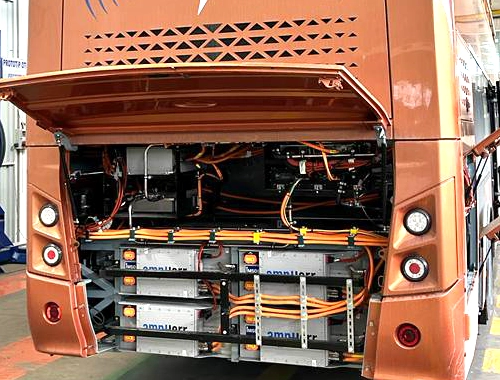
To meet the demanding requirements of daily public transport operations, the manufacturer integrated AMPHERR's high-performance battery technology into its electric bus architecture. The modular battery design, advanced Battery Management System (BMS), and reliable thermal management ensure safe, efficient, and dependable operation throughout the vehicle's lifecycle.
The electric bus delivers a sustainable alternative to conventional diesel-powered vehicles, helping transit operators reduce emissions, lower noise levels, and support the transition to greener cities while maintaining the reliability expected from modern public transportation.